Stock Market Explained ๐Ÿ“ˆ Understand IPO, FPO, Fresh Issue, OFS & Secondary Market!

The stock market is an important part of the financial system where companies raise money and investors buy and sell shares. If you are new to investing, understanding the difference between the primary market and the secondary market is one of the first steps toward learning how the stock market works. ๐Ÿ“Š

๐Ÿข 1. Primary Market

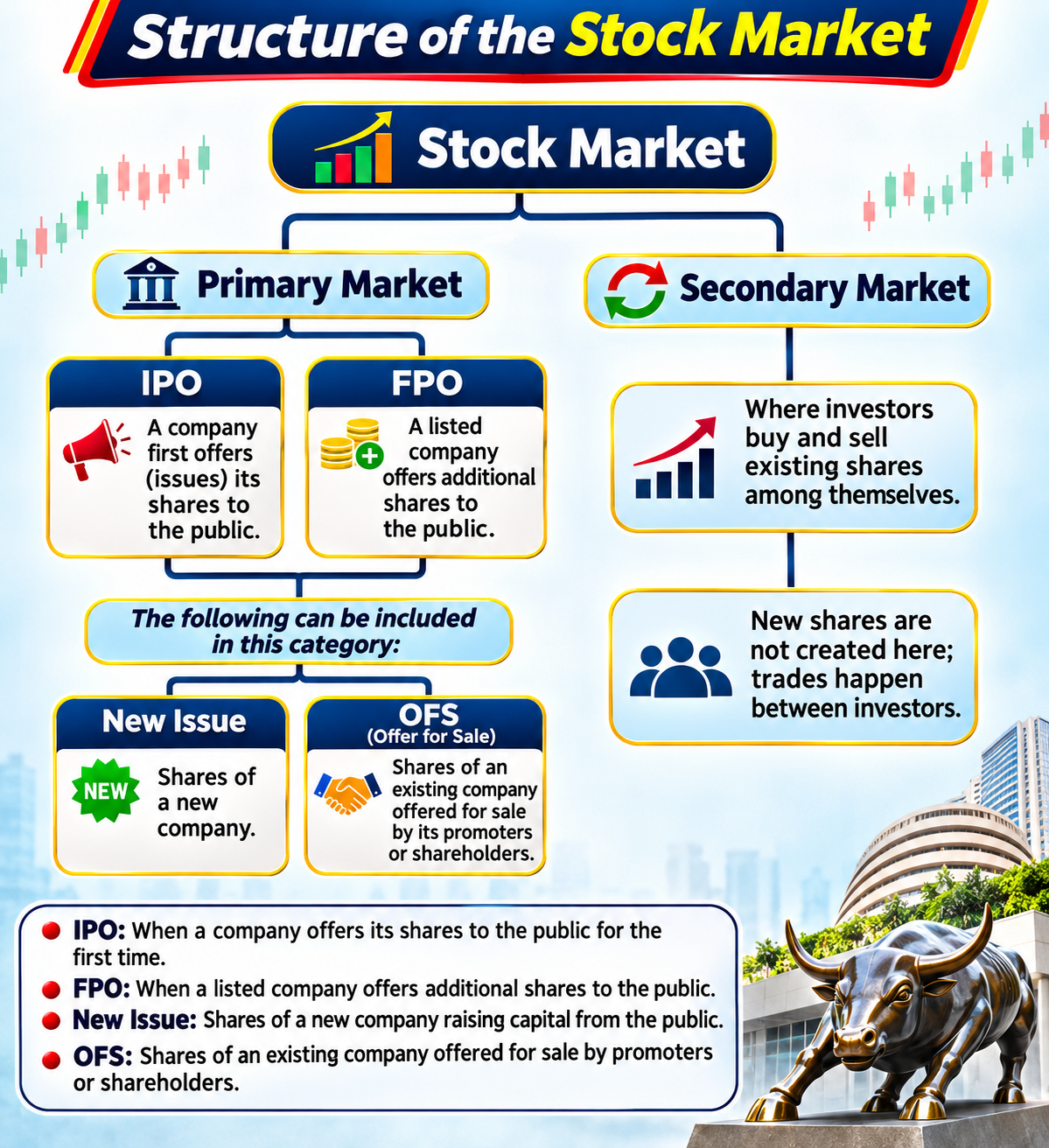
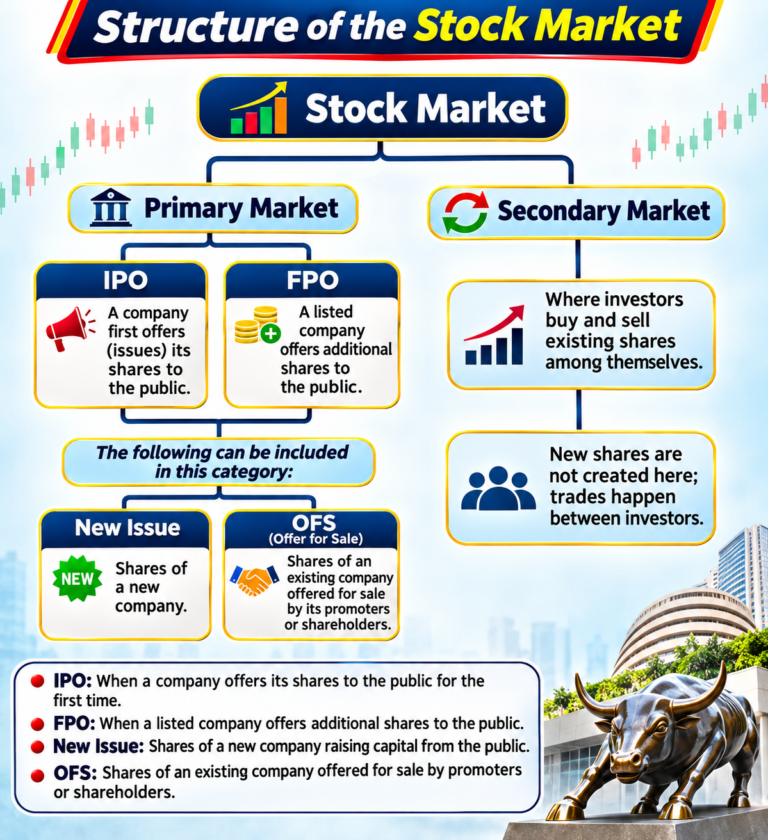
The primary market is where companies issue new shares to investors to raise capital. The money raised through a fresh share issue generally goes directly to the company, helping it fund expansion, projects, business development, or other financial requirements.

๐Ÿ“ข IPO โ€“ Initial Public Offering

An IPO is when a company offers its shares to the public for the first time. It allows a company to become publicly listed and gives investors an opportunity to purchase shares during the offering process.

๐Ÿ“ˆ FPO โ€“ Follow-on Public Offering

An FPO is when an already-listed company issues additional shares to the public. Companies may use this method to raise additional capital after their initial listing.

๐Ÿ’ฐ Fresh Issue

In a fresh issue, a company creates and issues new shares. The money raised from investors goes to the company, subject to the terms of the offering.

๐Ÿ‘ฅ OFS โ€“ Offer for Sale

In an Offer for Sale, existing shareholders, such as promoters or other investors, sell their shares to the public. The proceeds from these shares generally go to the shareholders who are selling, rather than directly to the company.

๐Ÿ”„ 2. Secondary Market

The secondary market is where investors buy and sell shares that have already been issued. Trading generally takes place through stock exchanges such as NSE and BSE in India.

In this market, investors trade with other market participants, and share prices fluctuate based on demand, supply, company performance, market conditions, and investor sentiment.

๐ŸŽฏ Why Is It Important to Understand?

Knowing how IPOs, FPOs, Fresh Issues, OFS, and secondary-market trading work can help beginners understand how companies raise capital and how stock trading operates.
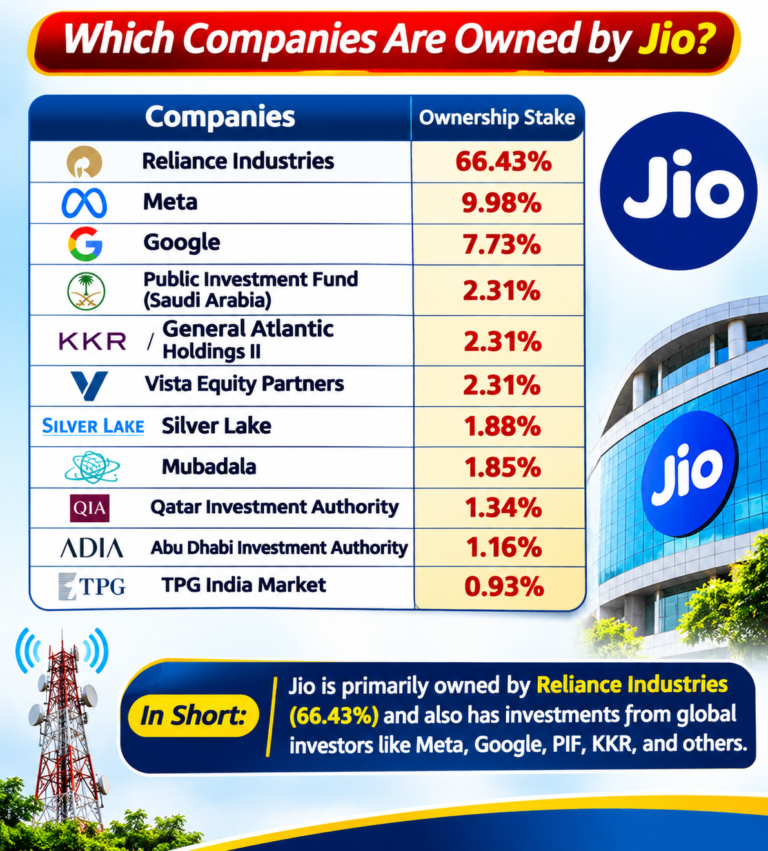

Who Owns Jio? ๐Ÿ“ฑ Meet the Biggest Investors and Shareholders Behind Reliance Jio!

Jio has become one of India’s most influential telecom and digital companies, transforming the way millions of people access mobile internet, entertainment, and digital services. But have you ever wondered who owns Jio and which major companies and investors hold stakes in it? ๐Ÿค”

๐Ÿข Reliance Industries โ€“ The Majority Shareholder

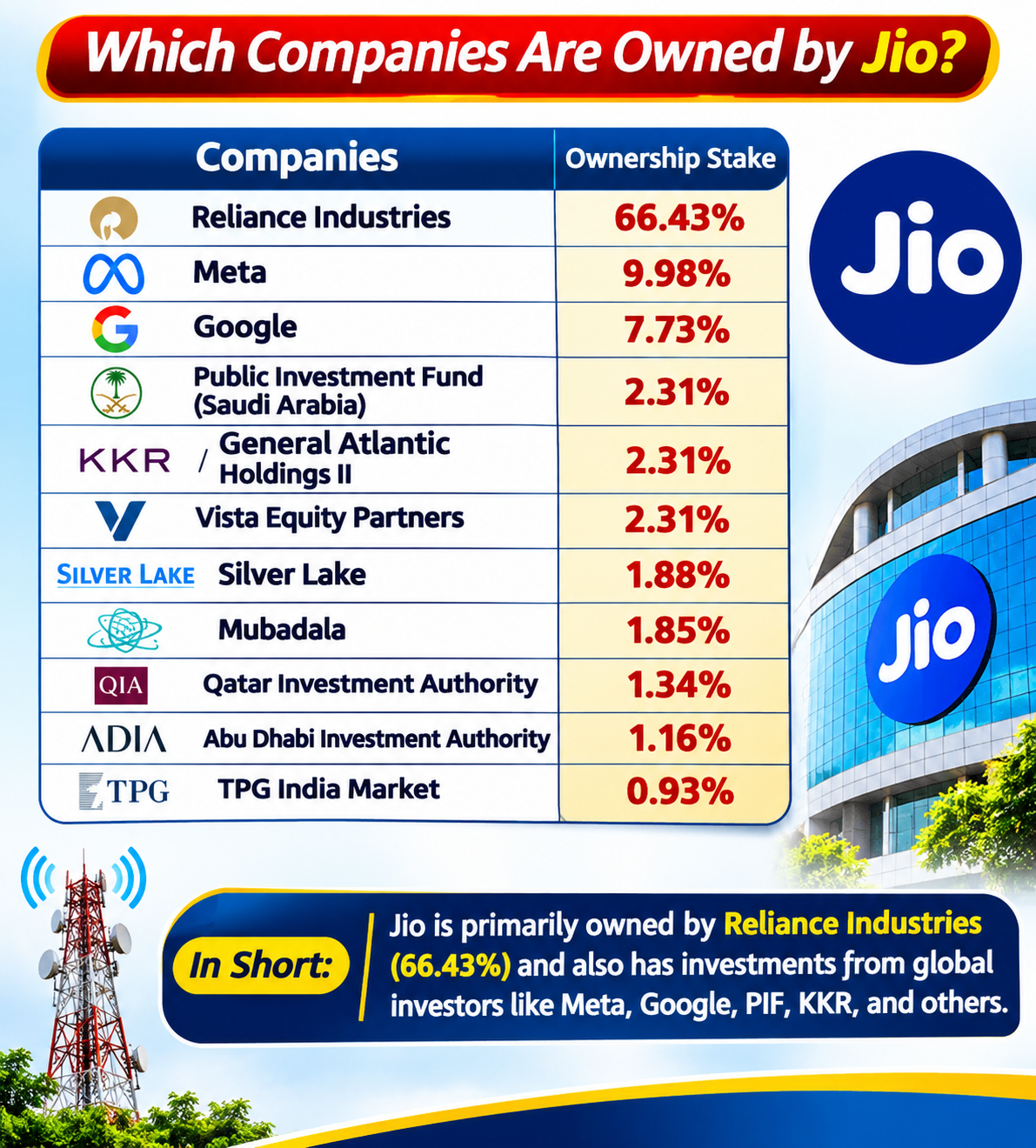
According to the figures shown in the infographic, Reliance Industries holds the largest ownership stake at 66.43%. Reliance is the parent company behind Jio’s major telecom and digital businesses, and its leadership and investment have played a significant role in Jio’s expansion across India.

๐ŸŒ Global Companies and Investors

The infographic also highlights several international investors that hold stakes in Jio, including:

๐Ÿ”น Meta โ€“ 9.98%
๐Ÿ”น Google โ€“ 7.73%
๐Ÿ”น Public Investment Fund (Saudi Arabia) โ€“ 2.31%
๐Ÿ”น KKR / Omicron Asia Holdings II โ€“ 2.31%
๐Ÿ”น Vista Equity Partners โ€“ 2.31%
๐Ÿ”น Silver Lake โ€“ 1.88%
๐Ÿ”น Mubadala โ€“ 1.85%
๐Ÿ”น General Atlantic Singapore โ€“ 1.34%
๐Ÿ”น Abu Dhabi Investment โ€“ 1.16%
๐Ÿ”น TPG India Market โ€“ 0.93%

๐Ÿ’ก Why Have Global Investors Invested in Jio?

Jio’s rapid growth in India’s digital market, its telecom infrastructure, expanding customer base, technology ecosystem, and digital services have attracted interest from major international investors.

๐Ÿš€ Jio’s Impact on India

From affordable mobile data and 4G connectivity to 5G services, digital entertainment, and online platforms, Jio has significantly influenced India’s telecom industry and digital economy.

๐Ÿ“ข Jio is not just a telecom companyโ€”it has become an important part of India’s digital transformation.

Maruti Suzuki Sets a New Monthly Sales Record in October 2026! WagonR Tops the Sales Chart ๐Ÿš—๐Ÿ”ฅ

Maruti Suzuki India has created a major milestone in the Indian automobile industry by recording its highest-ever monthly sales in October 2026. The company sold a total of 276,120 vehicles, marking an impressive performance during the festive season and reflecting strong demand for its wide range of cars. ๐Ÿ“ˆ

๐Ÿ† A New Sales Record!

According to the company’s official sales announcement, Maruti Suzuki recorded its highest monthly sales volume ever in October 2026. Total sales reached 276,120 units, including domestic sales, sales to other OEMs, and exports. Its domestic sales also reached a record level for the month.

๐Ÿš™ WagonR Takes the Top Spot!

The Maruti Suzuki WagonR emerged as India’s best-selling car in October 2026, with 23,747 units sold, according to automotive sales reports. Its spacious cabin, practical design, fuel efficiency, affordability, and ease of driving continue to make it a popular choice among Indian families and first-time car buyers.

๐Ÿ“Š Strong Performance Across the Range

Maruti Suzuki’s popular models, including the Brezza, Fronx, Swift, Dzire, Ertiga, Baleno, and Grand Vitara, continue to attract buyers across different segments. The company’s strong presence in hatchbacks, sedans, SUVs, and MPVs contributes to its broad market reach.

๐ŸŒ Growing Domestic and Export Demand

The company’s October performance also reflected strong export growth, alongside demand in the domestic market. Maruti Suzuki continues to expand its presence in international markets while strengthening its position in India’s automobile industry.

๐Ÿ’ก The October 2026 sales performance highlights the continued popularity of Maruti Suzuki vehicles and the competitive nature of India’s automotive market.

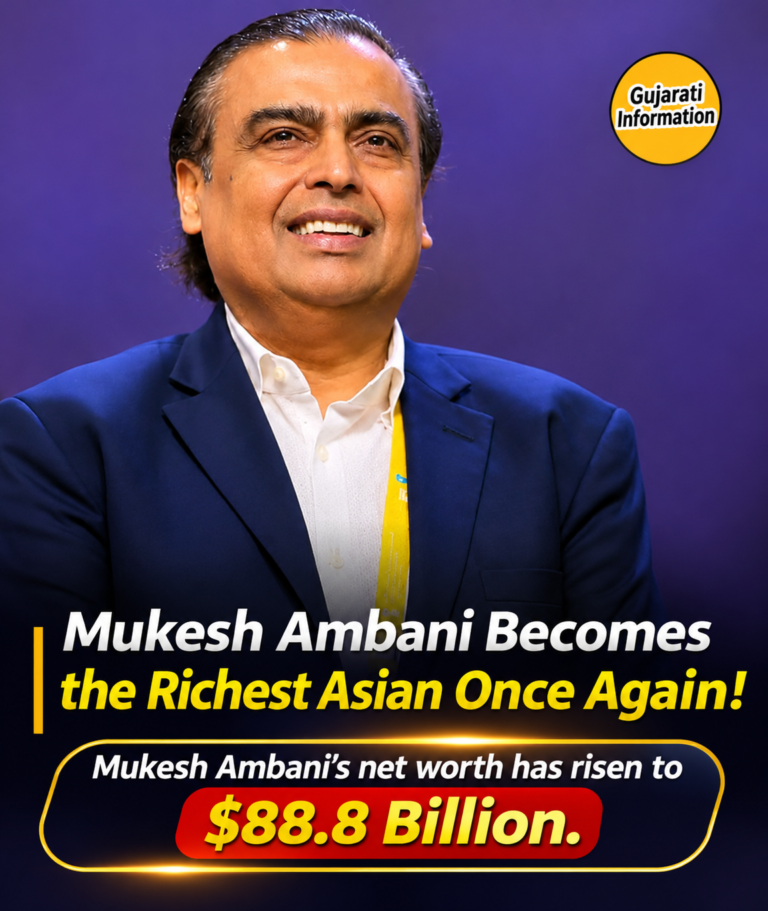
Mukesh Ambani Becomes Asia’s Richest Person Again! Net Worth Reaches $88.8 Billion ๐Ÿ’ฐ

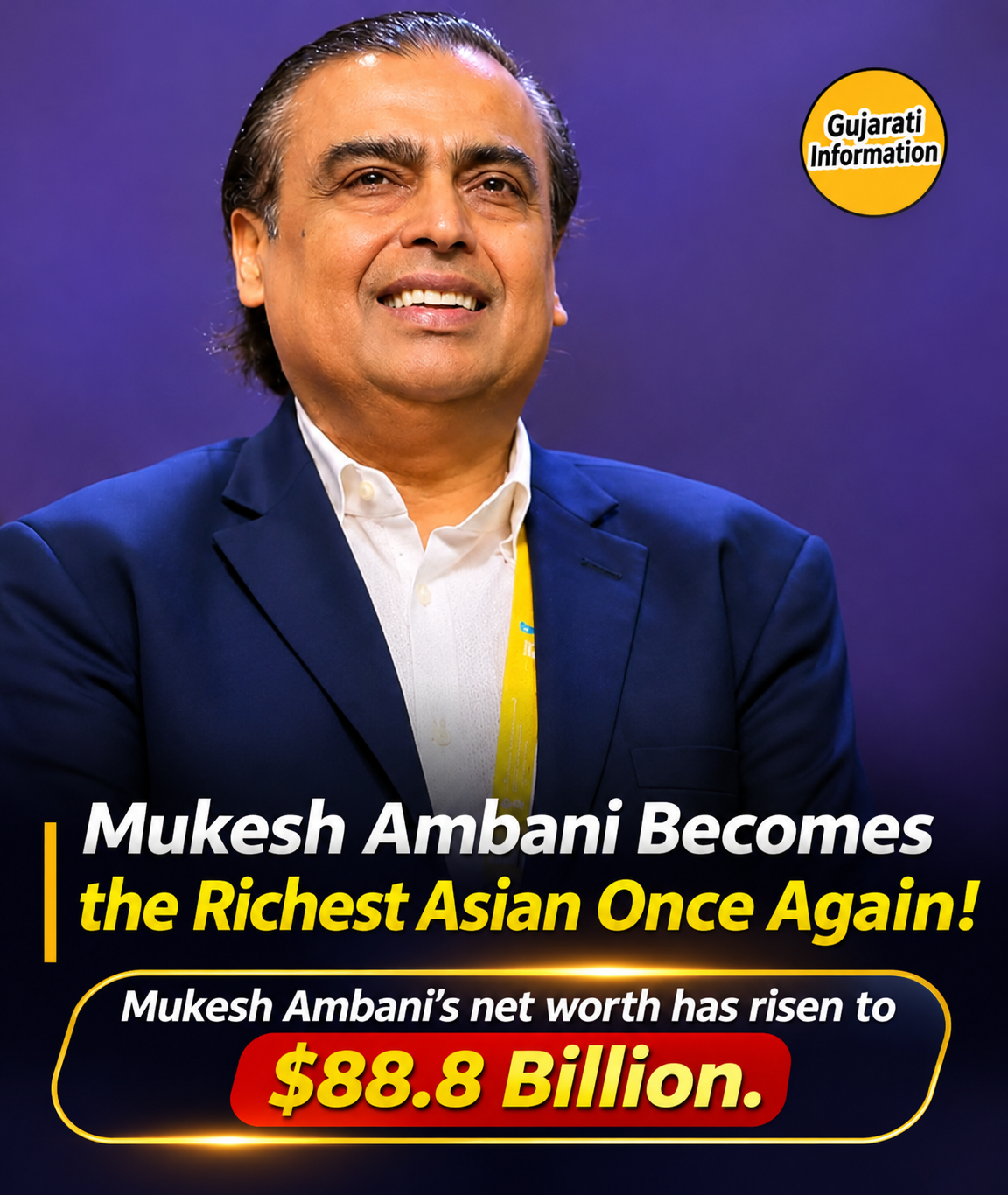
A major headline in the business world is drawing attention as Mukesh Ambani, chairman of Reliance Industries, is reportedly back at the top of Asia’s richest people list. According to the figures featured in the image, his net worth has reached an impressive $88.8 billion. ๐Ÿ“ˆ

๐Ÿข Who Is Mukesh Ambani?

Mukesh Ambani is one of India’s most prominent business leaders and the chairman and managing director of Reliance Industries Limited, one of India’s largest conglomerates. The company operates across several major sectors, including energy, petrochemicals, retail, telecommunications, and digital services.

๐Ÿ“ฑ The Reliance Business Empire

Reliance has played a major role in transforming India’s telecom industry through Jio, which helped expand affordable internet access and digital connectivity across the country. The company is also a major player in India’s retail market, with businesses spanning grocery, fashion, consumer products, and digital commerce.

โ›ฝ From Energy to Technology

Reliance Industries has traditionally been associated with energy and petrochemicals, but over the years it has expanded significantly into consumer-facing businesses, digital technology, retail, and new energy initiatives. Its diversified business portfolio has made it one of India’s most closely followed companies.

๐Ÿ“Š Why Does Net Worth Change?

The wealth of billionaires can fluctuate significantly depending on stock prices, business valuations, market performance, investments, and other assets. When the value of companies they own or hold shares in rises, their estimated net worth may also increase.

๐ŸŒ A Global Business Figure

Mukesh Ambani remains a widely recognized figure in global business and entrepreneurship. His business ventures have had a significant impact on India’s telecommunications, retail, energy, and digital markets.

๐Ÿ’ก Billionaire rankings can change frequently, depending on market movements and the source used to calculate wealth.

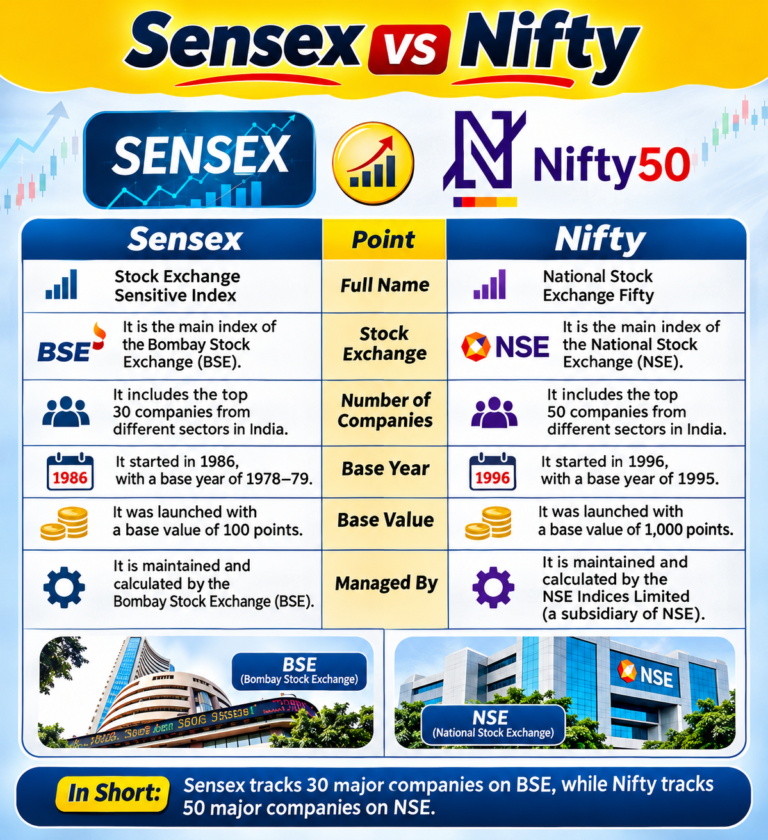
Sensex vs Nifty 50 ๐Ÿ“ˆ What’s the Difference Between India’s Two Major Stock Market Indices?

If you follow the Indian stock market, you have probably heard the names Sensex and Nifty almost every day. Both are important market indices that help investors understand the overall performance and direction of the Indian stock market. But what exactly is the difference between them? ๐Ÿค”

๐Ÿ“Š What is Sensex?

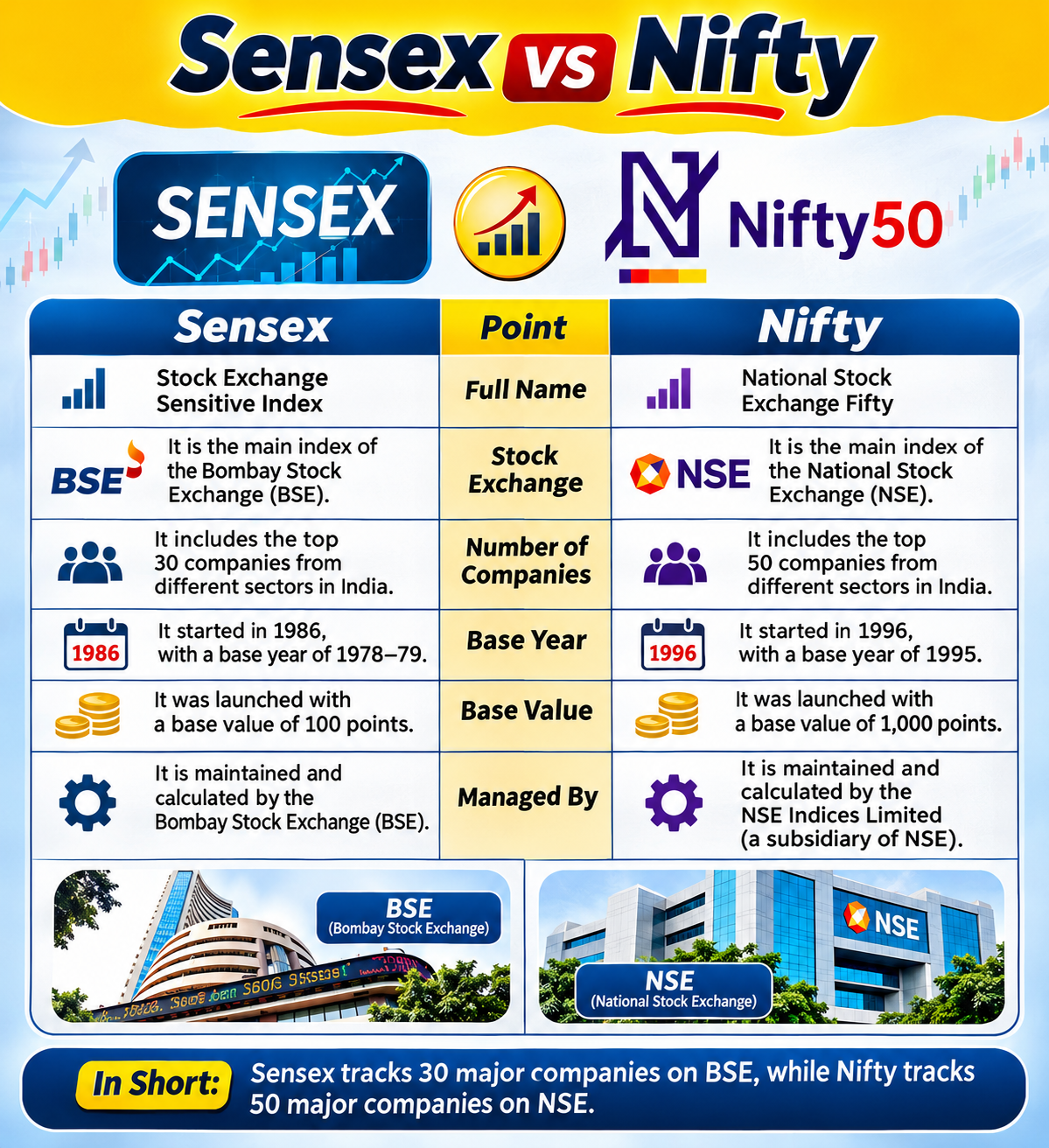
Sensex stands for the Sensitive Index and is the benchmark index of the Bombay Stock Exchange (BSE). It tracks the performance of 30 major listed companies representing different sectors of the Indian economy. These companies are selected based on various market-related criteria, and their performance helps provide an overview of the market.

Sensex was launched in 1986, with a base year of 1978โ€“79 and an original base value of 100.

๐Ÿ“ˆ What is Nifty 50?

Nifty 50 is the benchmark index of the National Stock Exchange (NSE). It tracks 50 major companies from different sectors of the Indian economy. Because it covers more companies than Sensex, it provides a broader representation of the market across selected leading stocks.

Nifty 50 was introduced in 1996, with a base year of 1995 and an original base value of 1,000.

๐Ÿ›๏ธ Who Manages Them?

Sensex is associated with the Bombay Stock Exchange (BSE), while Nifty 50 is maintained and calculated by NSE Indices Limited.

๐Ÿ’ก The Main Difference:

Sensex tracks 30 major companies listed on the BSE, while Nifty 50 tracks 50 major companies listed on the NSE. Both indices are widely followed by investors, traders, financial analysts, and market participants to understand market trends.

๐Ÿ“š Understanding these two indices can help beginners learn more about stock market movements, investment trends, and India’s financial markets.

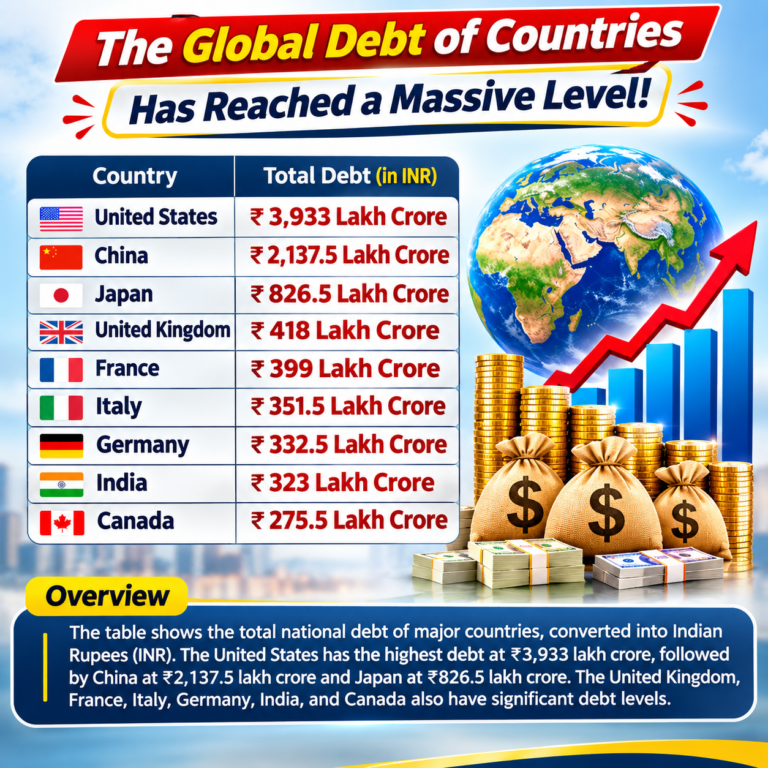
Top 9 Most Indebted Countries in the World ๐ŸŒ๐Ÿ’ฐ

National debt is one of the most discussed topics in the global economy. Governments borrow money to fund infrastructure, public services, development projects, defence, social programmes, and other expenses. But have you ever wondered which countries have the highest debt figures? ๐Ÿ“Š

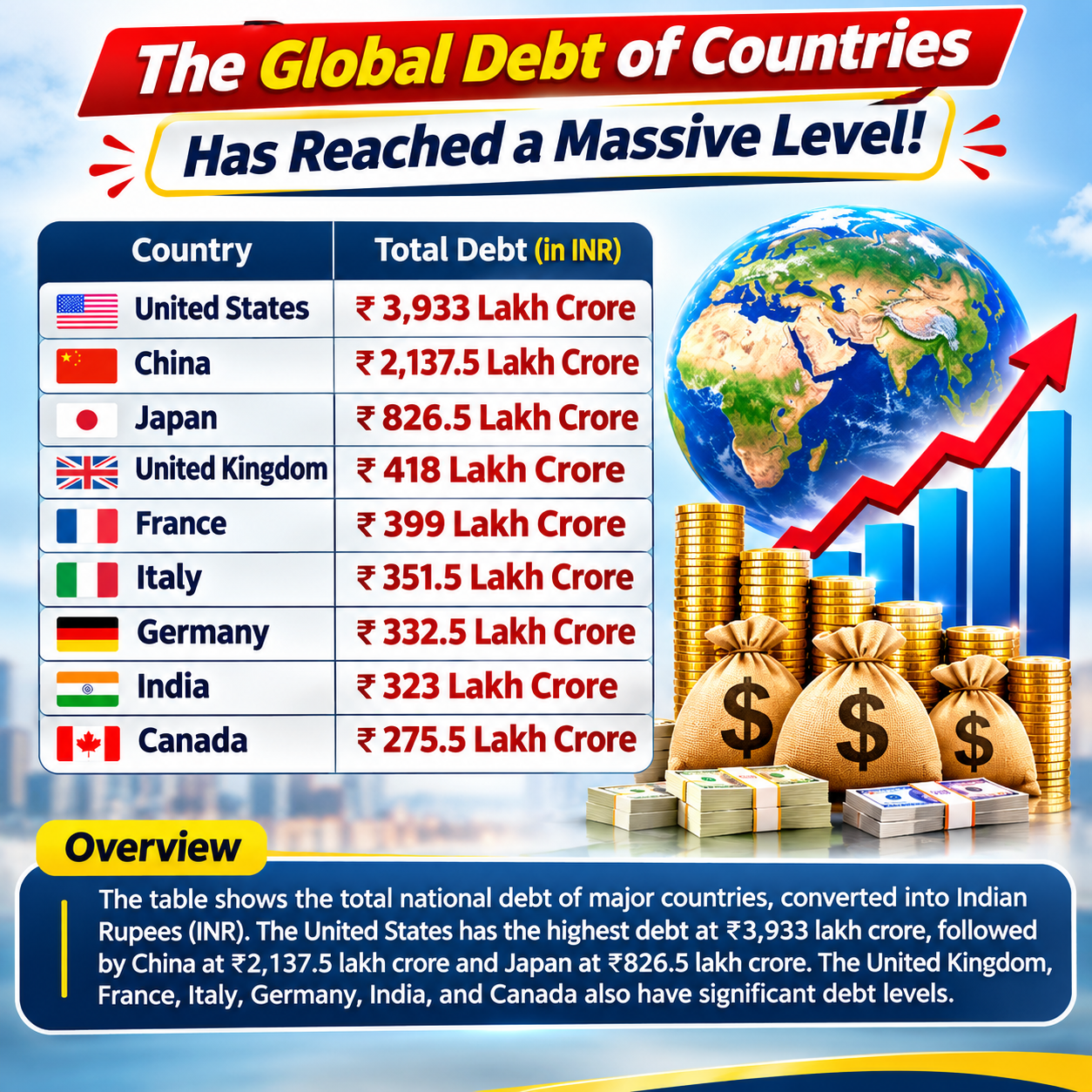
According to the figures shown in this infographic, the United States ranks first, with a debt figure of โ‚น3,933 lakh crore. ๐Ÿ‡บ๐Ÿ‡ธ It is followed by China, with โ‚น2,137.5 lakh crore, and Japan, with โ‚น826.5 lakh crore. ๐Ÿ‡จ๐Ÿ‡ณ๐Ÿ‡ฏ๐Ÿ‡ต

The infographic also highlights several other major economies:

๐Ÿ‡ฌ๐Ÿ‡ง United Kingdom: โ‚น418 lakh crore
๐Ÿ‡ซ๐Ÿ‡ท France: โ‚น399 lakh crore
๐Ÿ‡ฎ๐Ÿ‡น Italy: โ‚น351.5 lakh crore
๐Ÿ‡ฉ๐Ÿ‡ช Germany: โ‚น332.5 lakh crore
๐Ÿ‡ฎ๐Ÿ‡ณ India: โ‚น323 lakh crore
๐Ÿ‡จ๐Ÿ‡ฆ Canada: โ‚น275.5 lakh crore

๐Ÿ’ก Why Do Countries Borrow Money?

Governments may borrow to build roads, railways, airports, hospitals, schools, and other infrastructure. Borrowing can also help support the economy during financial crises, emergencies, recessions, or periods of reduced government revenue.

๐Ÿ“ˆ Does High National Debt Always Mean a Weak Economy?

Not necessarily! A country’s debt must be considered alongside its GDP, revenue, interest costs, economic growth, currency, and ability to repay. A large economy may be able to manage substantial debt, while a smaller economy may face challenges with comparatively lower borrowing.

๐ŸŒ National debt is a complex economic indicator, and the numbers can change over time depending on exchange rates, government borrowing, inflation, and economic conditions.

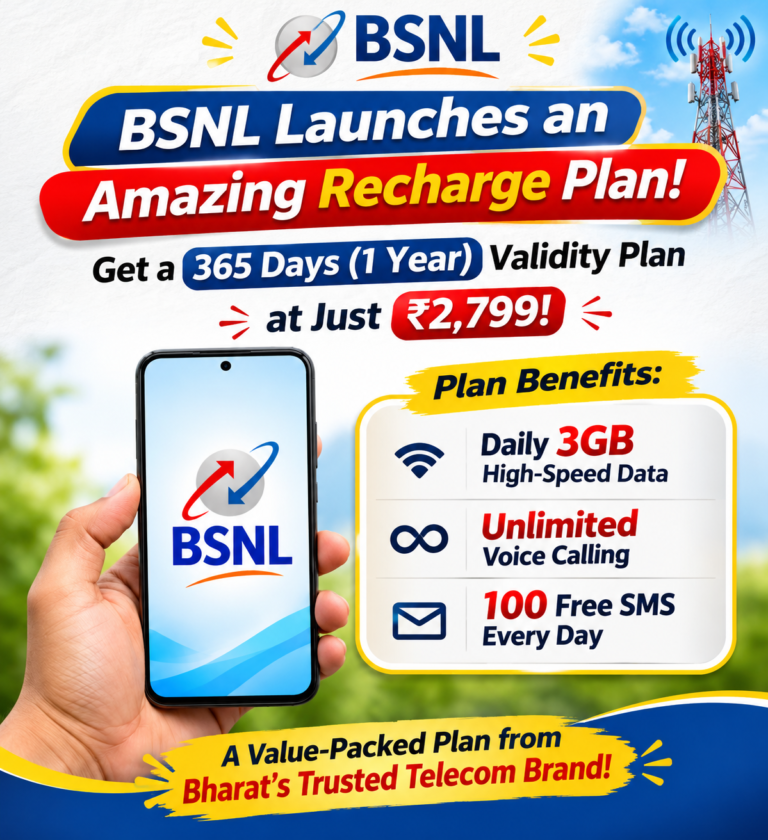
BSNL’s โ‚น2,799 Recharge Plan Offers 365 Days Validity, 3GB Daily Data & Unlimited Calling! ๐Ÿ“ฑ

Looking for a long-term mobile recharge plan that offers data, calling, and validity for an entire year? BSNL’s โ‚น2,799 recharge plan is attracting attention with its exciting benefits and budget-friendly price. ๐Ÿ’ฐ๐Ÿ”ฅ

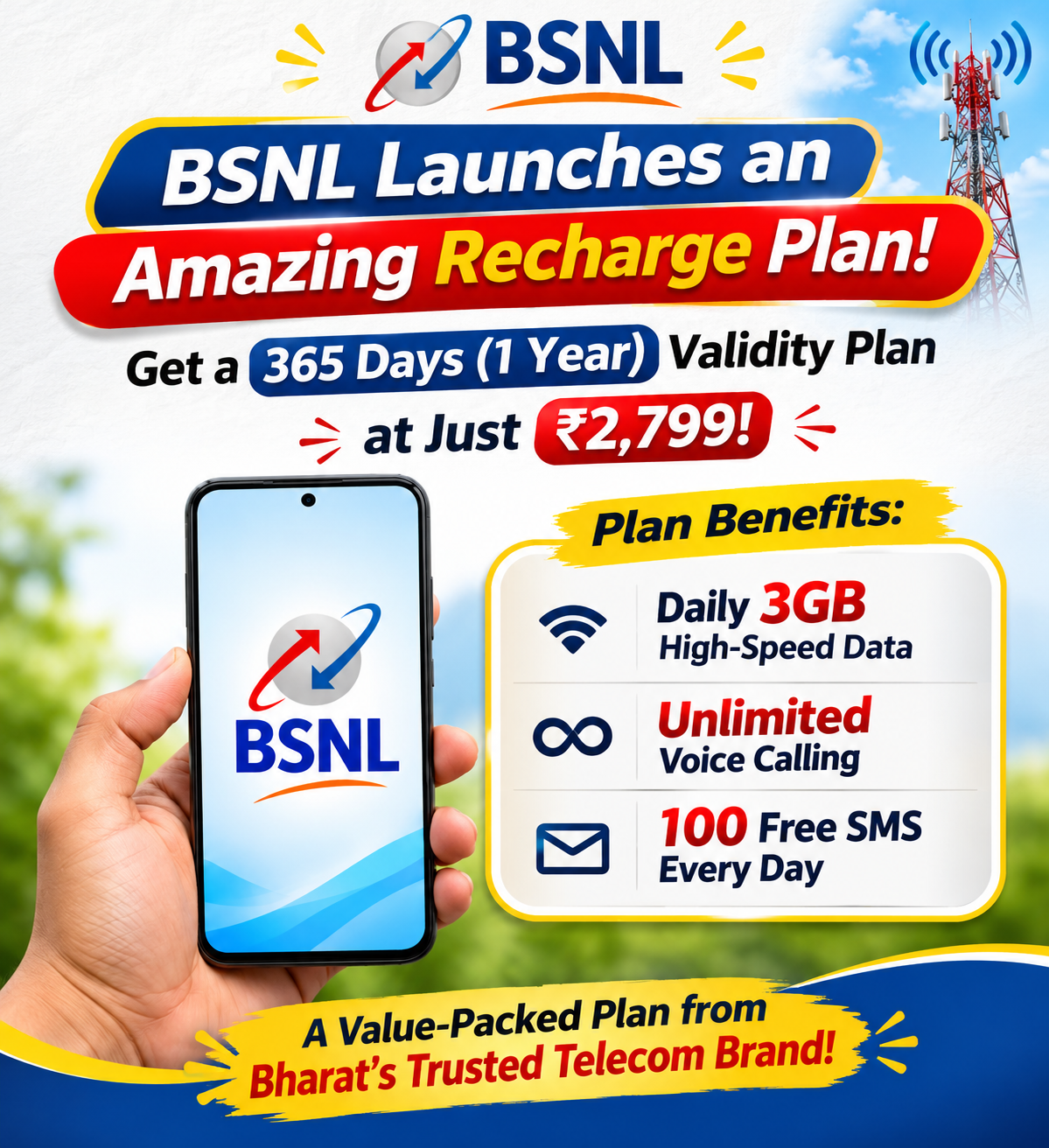
According to the information shown in this promotional image, the plan offers 365 days of validity, making it an option for users who prefer recharging once and enjoying their mobile services throughout the year without frequent recharge hassles. ๐Ÿ“…โœจ

๐ŸŒ 3GB Daily High-Speed Data! The plan reportedly provides 3GB of high-speed internet data every day. This can be useful for browsing websites, watching YouTube videos, using social media, downloading files, attending online meetings, and enjoying your favourite digital entertainment.

๐Ÿ“ž Unlimited Voice Calling! Stay connected with friends, family members, colleagues, and loved ones with the unlimited voice-calling benefit mentioned in the offer. Enjoy conversations without worrying about daily calling limits, subject to the plan’s applicable terms and conditions.

๐Ÿ’ฌ 100 SMS Every Day! The promotional details also mention 100 SMS per day, which can help users send messages and receive important updates, notifications, and OTPs.

๐Ÿ“† 365 Days of Validity! One of the biggest highlights of this recharge is its claimed one-year validity. Instead of recharging every month, users may enjoy a longer recharge period with a single payment.

๐Ÿ’ธ Recharge Price: โ‚น2,799! The advertised price makes this plan worth checking out for customers searching for a long-term prepaid recharge option.

๐Ÿ“ก BSNL continues to attract attention in India’s telecom market with affordable recharge options for users looking for connectivity and value.

Jio’s Big Offer! Get High-Speed Unlimited 5G Data for 24 Hours at Just โ‚น15!

Jio is making headlines with an exciting new offer for mobile users! According to the promotional information shown, users can enjoy high-speed unlimited 5G data for 24 hours at just โ‚น15. This offer is designed to attract users who need fast internet connectivity for their daily digital activities. ๐ŸŒ๐Ÿ”ฅ

๐Ÿ“ฒ Whether you love watching movies, streaming videos, browsing social media, playing online games, attending video calls, or downloading your favourite content, high-speed internet can make your online experience smoother and more convenient. With this promotional plan, Jio users may be able to enjoy uninterrupted internet access throughout the day, depending on the plan’s applicable terms and conditions.

๐ŸŽฌ Entertainment Anytime! Enjoy your favourite movies, web series, YouTube videos, music, and online entertainment without worrying about running out of data during your activities.

๐ŸŽฎ Gaming and Browsing Made Easier! Fast internet connectivity is especially useful for online gaming, browsing websites, sharing files, and staying connected with friends and family.

๐Ÿ’ผ Helpful for Work and Study! High-speed mobile internet can also be useful for online meetings, digital learning, work-related activities, and accessing important information on the go.

๐Ÿ’ฐ Affordable Internet Access! The promotional message highlights a price of just โ‚น15 for 24 hours, making it an attractive option for users looking for short-term internet access without purchasing a longer-duration data pack.

๐Ÿ“ก With the growing popularity of 5G technology in India, telecom users are increasingly looking for affordable and high-speed internet options. Offers like this can generate significant interest among smartphone users.

10 Things the Police Cannot Legally Do

Every citizen should know their basic legal rights when dealing with the police. Understanding the law can help you stay informed, handle situations calmly, and seek proper legal assistance when necessary. ๐Ÿ‡ฎ๐Ÿ‡ณ

Here are 10 important legal topics every citizen should be aware of:

๐Ÿ‘ฉ 1. Arresting Women at Night: Indian law generally restricts the arrest of women at night, except in exceptional circumstances and subject to the required legal procedure.

๐Ÿ“œ 2. Arrest Procedures: Police must follow the legal requirements and procedures prescribed by law when making an arrest. Citizens should understand the protections available to them.

๐Ÿšซ 3. Physical Abuse: Police cannot lawfully use illegal physical violence, torture, or force against individuals. Any unlawful treatment may have legal consequences.

๐Ÿ”’ 4. Wrongful Confinement: Unlawfully restricting a person’s freedom or confining someone without legal authority can be punishable under applicable law.

โš ๏ธ 5. Criminal Threats: Threatening someone unlawfully or using intimidation may constitute a criminal offence.

๐Ÿ’ฐ 6. Bribery: Public officials are prohibited from unlawfully demanding or accepting bribes. Corruption can lead to serious legal consequences.

๐Ÿ” 7. Search Procedures: Searches must comply with applicable legal requirements. Depending on the situation, police may need proper authorization or must satisfy specific legal conditions.

๐Ÿ“ 8. FIR Registration: The law provides procedures for reporting cognizable offences and registering information with the police. Citizens should know the remedies available if an FIR is not registered.

โฐ 9. Detention Beyond Legal Limits: Arrested individuals cannot be kept in custody indefinitely without following the legal process and applicable judicial requirements.

๐Ÿ‘จโ€โš–๏ธ 10. Right to Legal Assistance: Arrested individuals have constitutional protections relating to legal representation and must not be unlawfully deprived of their rights.

Knowledge of the law can empower citizens to act responsibly, protect their rights, and seek help from qualified legal professionals when needed.

๐Ÿ“ข Share this information to help others become aware of their legal rights!

Stock Market Basics ๐Ÿ“Š Learn 10 Important Terms Before You Invest!

Want to understand the stock market but confused by terms like NSE, BSE, Nifty, Sensex, Bull Market, and Bear Market? ๐Ÿค” Learning these basic terms is the first step toward understanding how the stock market works.

๐Ÿ’ฐ 1. Stock / Share: A share represents a small ownership portion of a company. When you purchase shares, you become a shareholder of that company.

๐Ÿฆ 2. Stock Exchange: A stock exchange is a regulated marketplace where investors can buy and sell shares of listed companies.

๐Ÿ“Š 3. NSE: The National Stock Exchange is one of India’s major stock exchanges where many listed companies’ shares are traded.

๐Ÿ“ˆ 4. BSE: The Bombay Stock Exchange is one of India’s oldest stock exchanges and an important platform for stock trading.

๐Ÿš€ 5. Nifty 50: Nifty 50 is a stock market index representing 50 major companies listed on the National Stock Exchange. It is commonly used to understand the broader market trend.

๐Ÿ“‰ 6. Sensex: Sensex is an index that tracks 30 major companies listed on the Bombay Stock Exchange and helps investors understand market performance.

๐Ÿ‚ 7. Bull Market: A bull market generally refers to a period when stock prices are rising and market sentiment is optimistic.

๐Ÿป 8. Bear Market: A bear market generally refers to a period when stock prices are falling and investors are more pessimistic about the market.

โฑ๏ธ 9. Intraday Trading: Intraday trading involves buying and selling stocks within the same trading day. Traders aim to take advantage of short-term price movements, but it carries significant risk.

๐Ÿ“… 10. Swing Trading: Swing trading involves holding stocks for several days or weeks to potentially benefit from short-term or medium-term price movements.